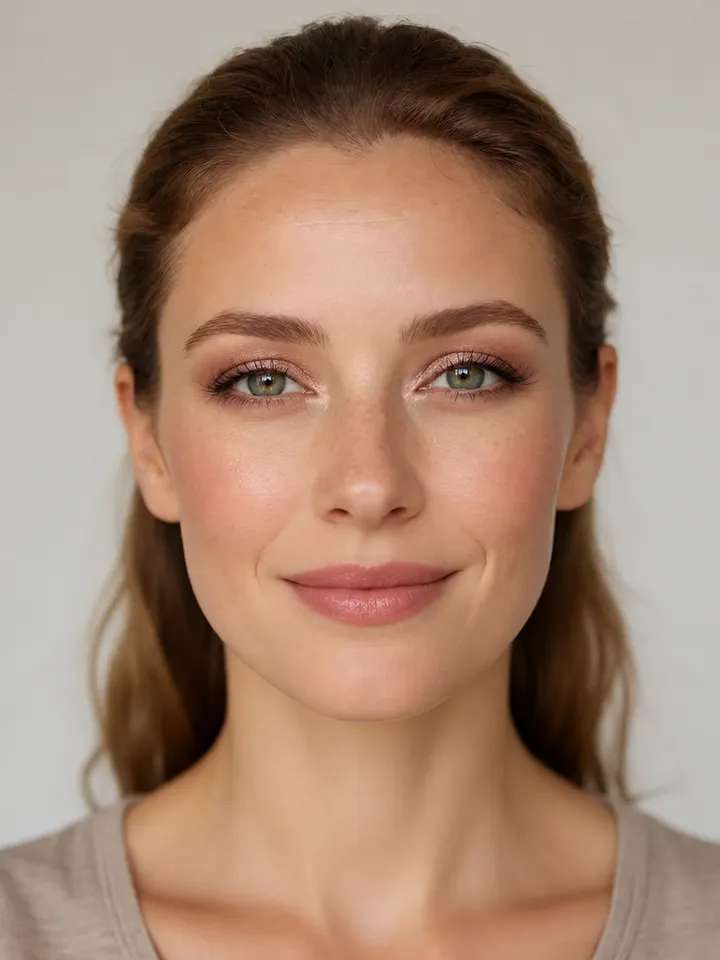
Soft Glam
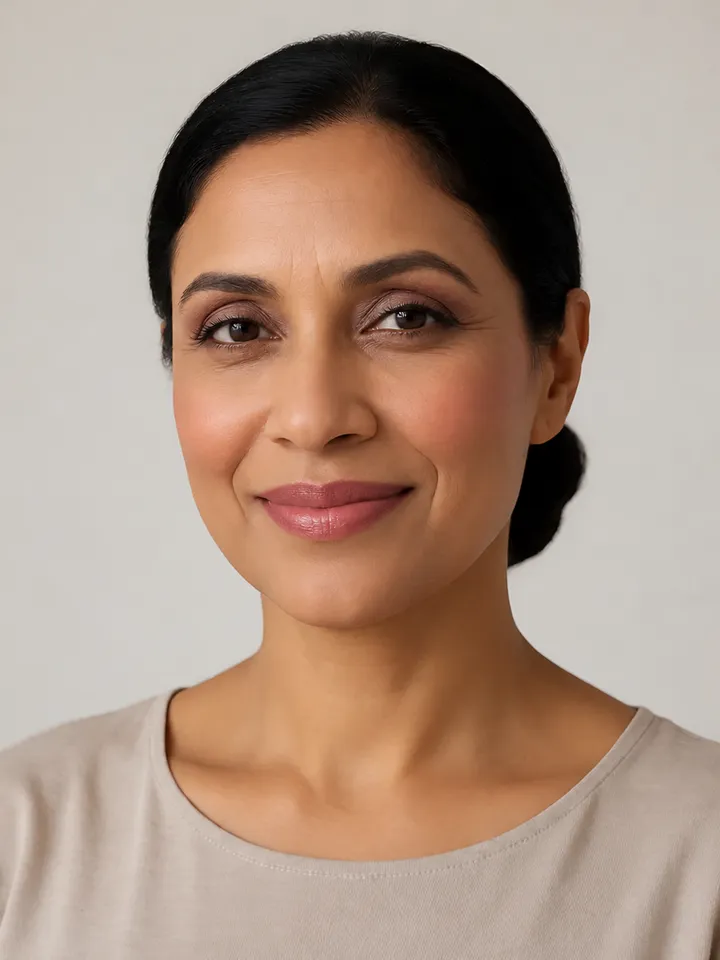
Soft glam is a polished but gentle look: an even, luminous base, warm-brown and rose eyeshadow blended until no edge shows, fluttery lashes, diffused rosy blush and a satin pink-nude lip.
How to do Soft Glam makeupTo start, fingertips, one fluffy eyeshadow brush and a damp makeup sponge are enough. Add tools as you go: a foundation brush for the base, a small concealer brush, a large fluffy powder brush, a blush brush, a small flat shadow brush and a spoolie for brows. Wash brushes and sponges regularly so products blend smoothly.
| Tool | Use it for | Tip |
|---|---|---|
| Damp makeup sponge | Foundation, skin tint, cream blush | Press and bounce; a damp sponge gives the most skin-like finish |
| Foundation brush | Faster, fuller foundation | Buff in small circles, then blend the edges |
| Small concealer brush | Spots and under-eye areas | Dab on, then pat only the edges |
| Large fluffy powder brush | Setting powder, bronzer | Tap off excess first; press powder where you get shiny |
| Blush brush | Powder blush | A medium, rounded brush gives a soft, diffused flush |
| Fluffy blending brush | Crease shade and softening edges | Small back-and-forth strokes |
| Small flat shadow brush | Packing color on the lid, smudging liner | Press rather than sweep for more color |
| Spoolie | Brushing brows and blending brow product | Brush up and through after filling |
Fingertips are a tool too: they warm cream blush, skin tint, concealer and shimmer shadow and blend them into the skin. Fingertips, one fluffy eyeshadow brush and a damp sponge are enough to start; add the rest as you go.
Synthetic bristles work well with creams and liquids, are easy to clean and suit most beginners. Natural-hair brushes pick up and diffuse powder well. A mostly synthetic set covers everything a beginner routine needs.
Clean tools help products blend smoothly; dirty ones make makeup look patchy. On acne-prone skin, clean tools matter even more; see the acne-prone skin guide.
The beginner routine starts with just fingertips, a fluffy eyeshadow brush and a damp sponge, and the technique guides show how to use them: foundation, eyeshadow and brows. The Lookslate quiz asks your experience level; your result shows the same three steps for your look at every level.
To start, fingertips, one fluffy eyeshadow brush and a damp makeup sponge are enough. Over time add a foundation brush, a small concealer brush, a fluffy powder brush, a blush brush, a small flat shadow brush and a spoolie.
A damp sponge gives the most natural, skin-like finish; a brush is faster and gives more coverage. Both work; choose by the finish you want.
About once a week for sponges and brushes used with liquids or creams, and at least every two weeks for powder brushes.
Yes. Fingertips warm and blend cream blush, skin tint, concealer and shimmer shadow well. Use brushes for powder and for precise work such as liner or crease shade.
Soft glam is a polished but gentle look: an even, luminous base, warm-brown and rose eyeshadow blended until no edge shows, fluttery lashes, diffused rosy blush and a satin pink-nude lip.
How to do Soft Glam makeupThe business look is polished daytime makeup: light, even coverage, neutral taupe or soft brown eyes, a thin line at the lashes, groomed brows, soft rose blush and a muted rose lip.
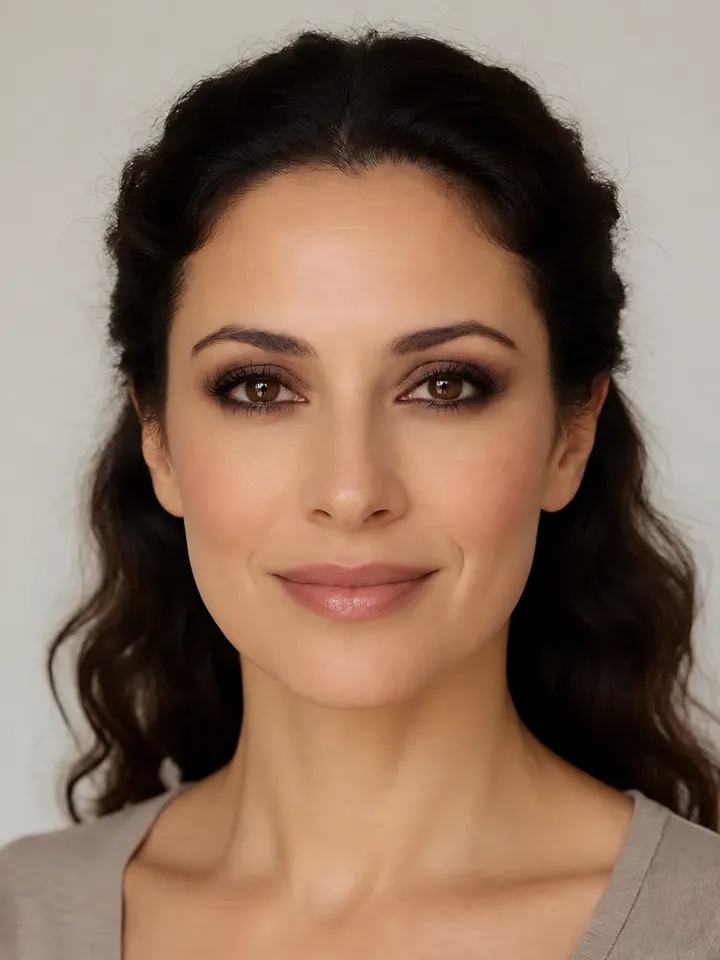
How to do Business makeupA smokey eye is an eyeshadow gradient that is darkest at the lash line and fades up into the crease, usually in charcoal, black or deep brown.
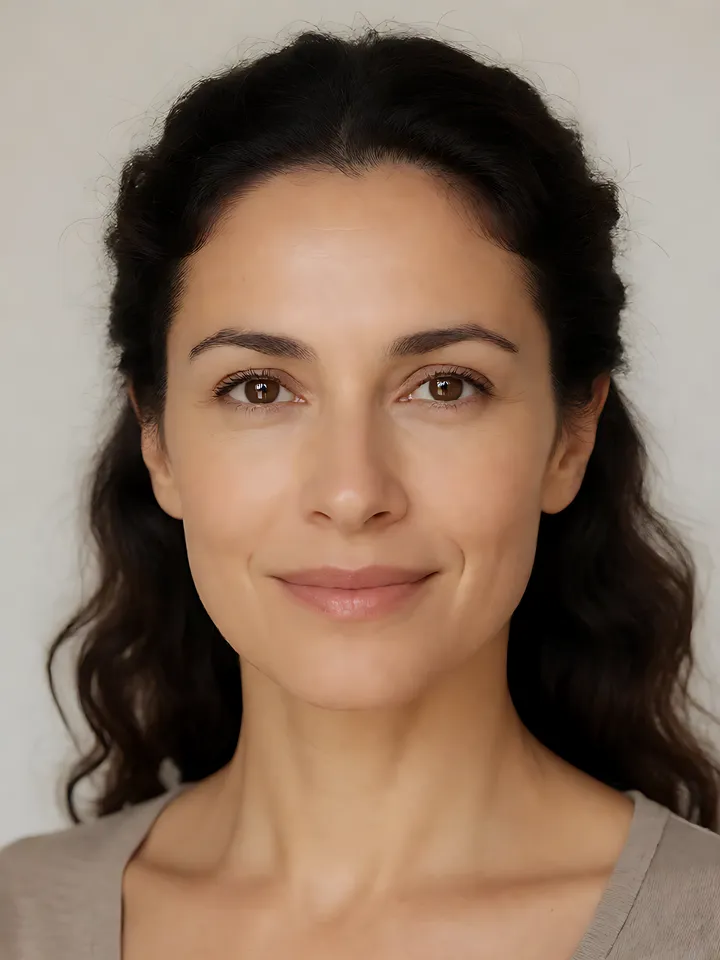
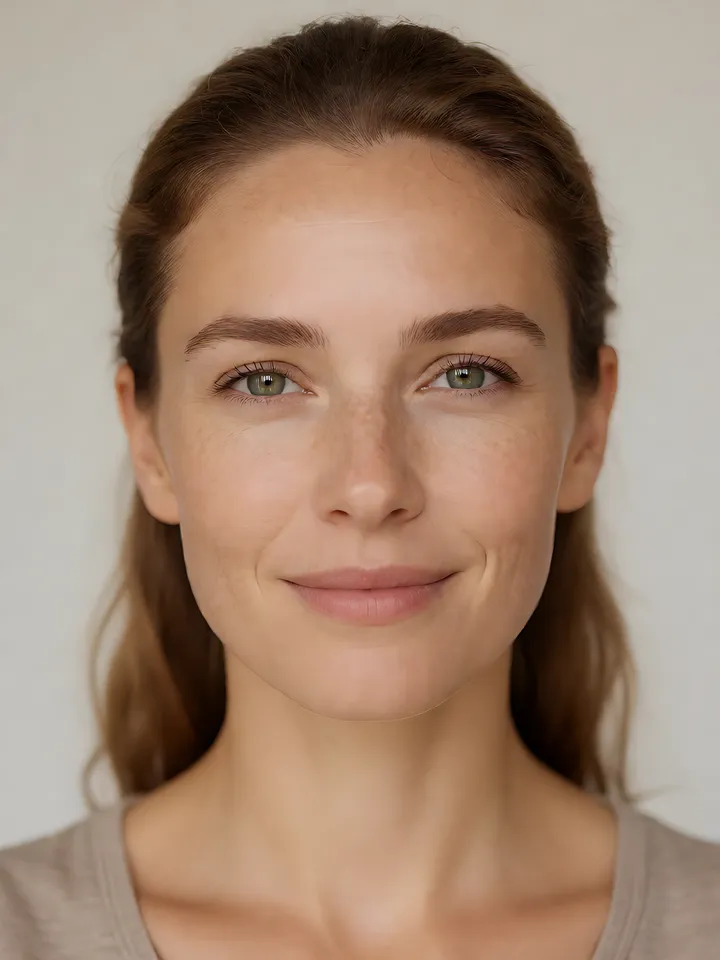
How to do Smokey Eyes makeupAll faces shown are AI-generated fictional models, not real people.